Amazon Hazard Pictograms and DG Marks: What Each Symbol Means

An exclamation mark on a cleaner does not make it dangerous goods. If you sell adhesives, cleaners, paints or batteries on Amazon, you have to keep two systems apart. Hazard pictograms mark hazardous substances and mixtures on the label and on the product detail page. Dangerous goods classes govern transport and storage. They also decide whether Amazon accepts a product for Fulfillment by Amazon (FBA).
The hazard pictograms come from the CLP Regulation, Regulation (EC) No 1272/2008. It covers the classification, labeling and packaging of hazardous substances and mixtures and follows the United Nations’ global GHS system. Buyers must be able to see the hazard before they buy. That is why the labeling belongs on the packaging and also in advertising and online offers. For products covered by CLP, Amazon asks for the current safety data sheet and images that show all warnings. If these documents or images are missing, Amazon can block the listing.
The 9 GHS hazard pictograms and what they mean
Pictograms are graphic labels made of a symbol and other graphic elements, such as a border, a background pattern or a background color. The CLP Regulation uses nine of them. Black symbol, red border, a diamond standing on its point: each one has a code from GHS01 to GHS09.
| Pictogram | Code and name | Meaning and examples |
|---|---|---|
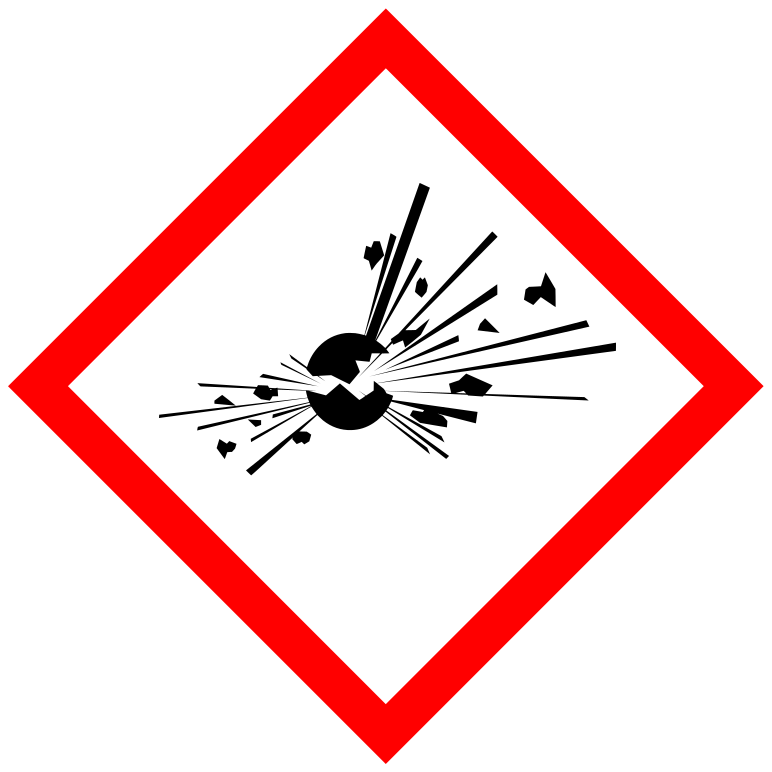 | GHS01 Exploding bomb | Explosive substances, e.g. fireworks or ammunition |
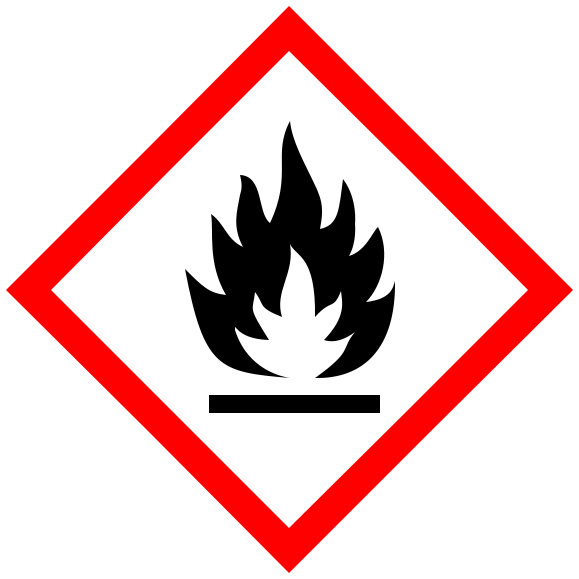 | GHS02 Flame | Flammable gases, aerosols, liquids or solids, e.g. lamp oil, petrol or nail polish remover |
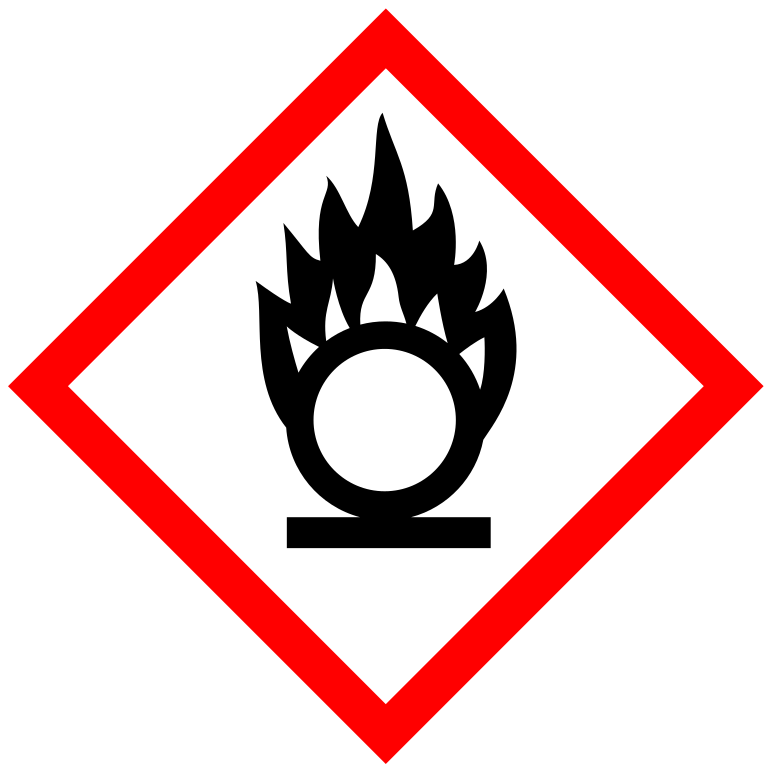 | GHS03 Flame over circle | Oxidizing substances that can cause or intensify a fire, e.g. bleach |
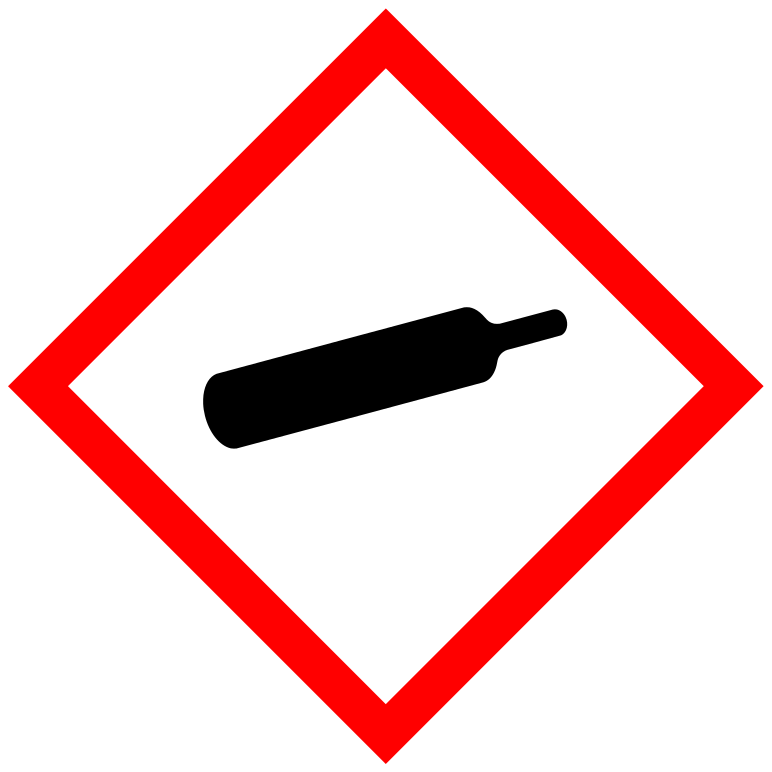 | GHS04 Gas cylinder | Gas under pressure, e.g. gas containers |
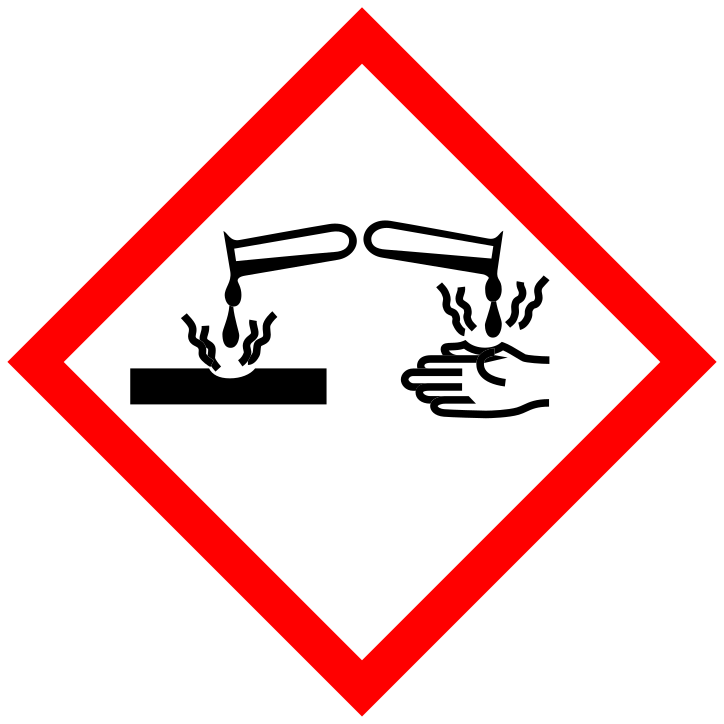 | GHS05 Corrosion | Corrosive to skin, eyes or metals, e.g. drain cleaners or acetic acid |
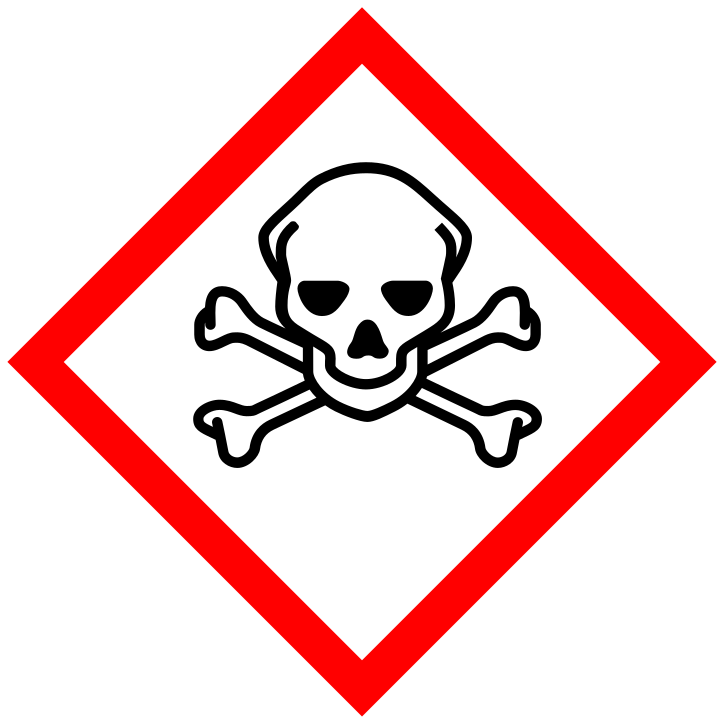 | GHS06 Skull and crossbones | Acute toxicity if swallowed, in contact with skin or inhaled, e.g. pesticides or methanol |
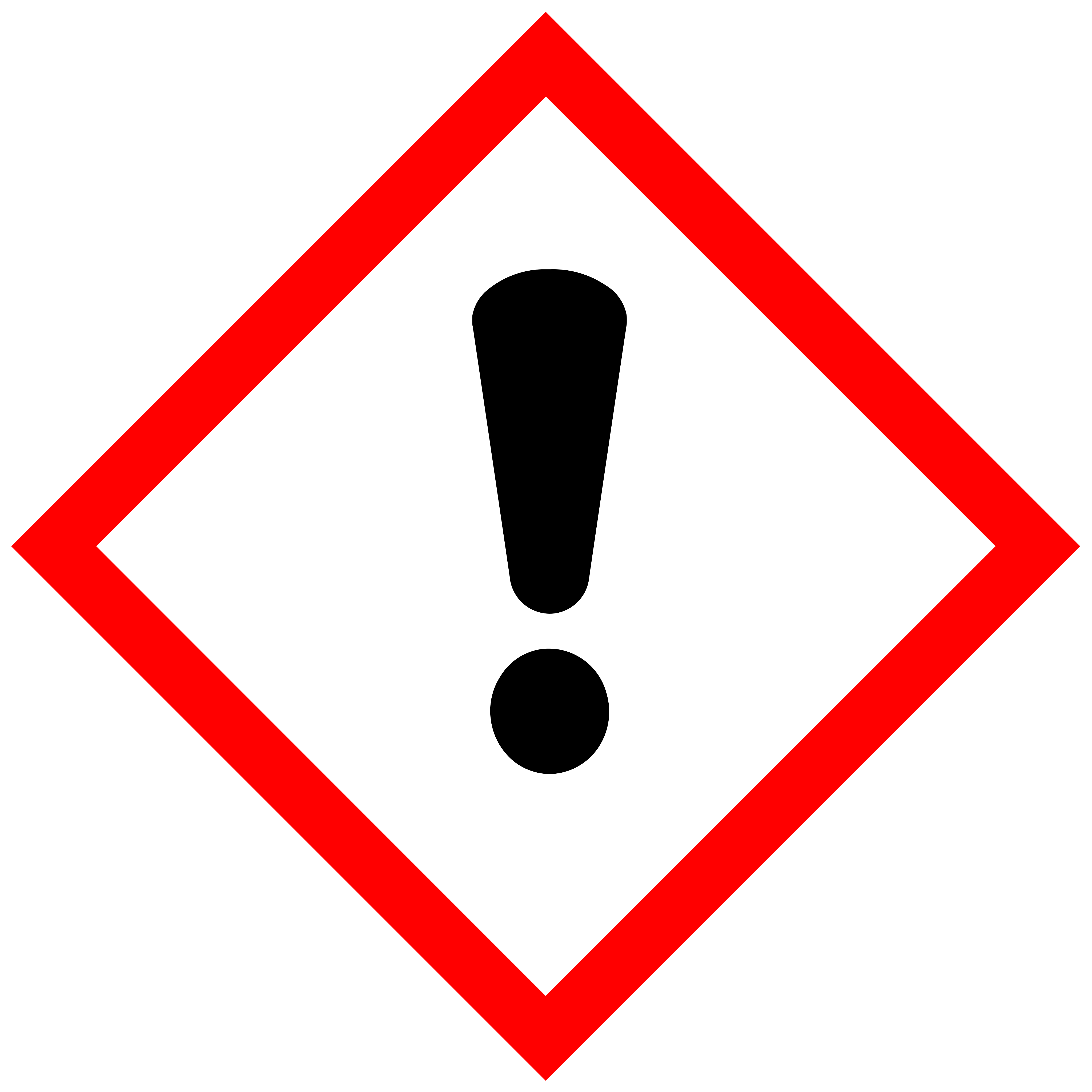 | GHS07 Exclamation mark | Irritating to skin or eyes, harmful, e.g. washing detergents or toilet cleaner |
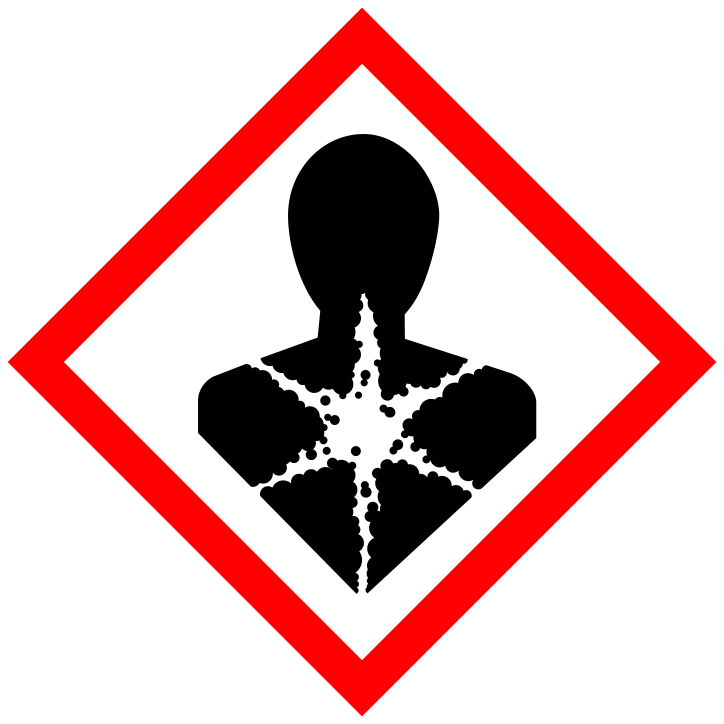 | GHS08 Health hazard | Serious or long-term health damage, such as causing cancer or harming the airways, e.g. petrol or turpentine |
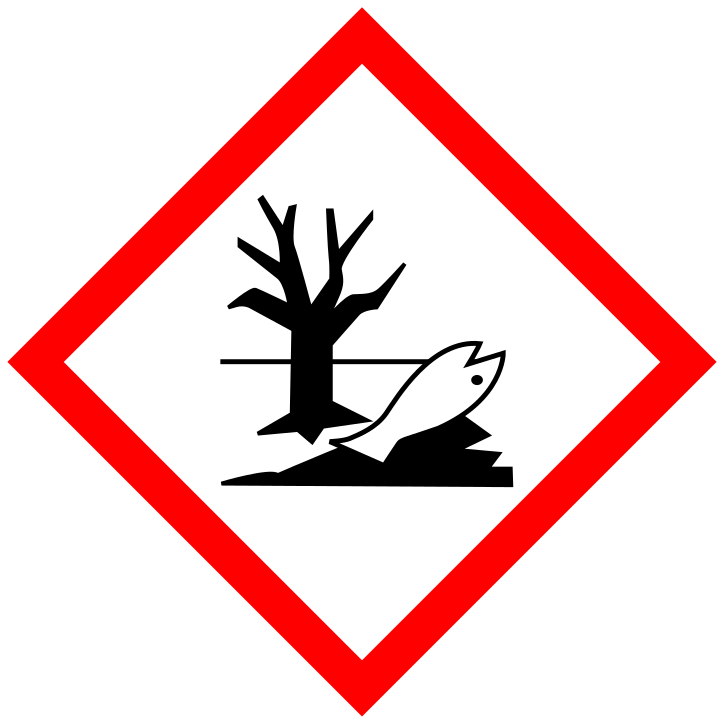 | GHS09 Environment | Toxic to aquatic life, e.g. pesticides or biocides |
Names, meanings and examples follow the overview of the European Chemicals Agency (ECHA).
The pictogram does not stand alone on the label. It comes with a signal word (“Warning” or “Danger”), hazard statements (H statements) and precautionary statements (P statements), each in the language of the store.
Dangerous goods at Fulfillment by Amazon: which classes are allowed
For transport and storage, the pictogram does not count. The dangerous goods class does. There are nine classes, some with divisions. According to Amazon’s dangerous goods identification guide (as of October 2026), these rules apply to Fulfillment by Amazon:
Not allowed:
- 1 Explosives
- 2.3 Toxic gases
- 4.2 Substances liable to spontaneous combustion
- 4.3 Substances that are dangerous when wet
- 6.2 Infectious substances
- 7 Radioactive material
Allowed in limited quantities only:
- 2.1 Flammable gases
- 2.2 Non-flammable, non-toxic gases
- 3 Flammable liquids
- 4.1 Flammable solids
- 5.1 Oxidizing substances
- 5.2 Organic peroxides
- 6.1 Toxic substances
- 8 Corrosive substances
- 9 Miscellaneous dangerous goods, e.g. lithium batteries (UN3480, UN3481, UN3090, UN3091) and magnetized material (UN2807)
The terms of the dangerous goods program list fewer classes than the guide: class 6.1 is missing there. Amazon decides per ASIN whether your product is accepted.
Amazon’s table does not make the difference easier: it shows a transport label and a hazard pictogram for each class. A product with the exclamation mark (GHS07) is not automatically dangerous goods. “Irritant” is not a dangerous goods class.
You upload the safety data sheet or an exemption sheet on the dangerous goods classification page in Seller Central (German store label “Gefahrgutklassifizierung verwalten”). For dangerous goods there is the FBA Dangerous Goods program, with a waitlist in the EU. The details are in the dangerous goods identification guide.
When you send products to Amazon, you confirm that all products meet the legal requirements and that your information is complete, accurate and current. Wrong or incomplete information can be expensive: Amazon can block your products for sale and dispose of the goods at your cost. You can also lose your selling privileges.
DG marks at Amazon: transport labels vs. hazard pictograms
“DG marks” are the marks used for dangerous goods (DG) in transport. Their shapes come from the transport rules, on European roads the ADR agreement (UNECE). They are not the same as the nine GHS pictograms above:
- Class labels (transport diamonds): one label per dangerous goods class, a diamond with the class number in the bottom corner. These are the labels Amazon shows next to each class in its guide. A flammable liquid gets the class 3 label, for example.
- Limited-quantity mark: a diamond with black top and bottom corners (a version with a “Y” in the middle for air). For limited-quantity shipments to its fulfilment centres, Amazon accepts only this mark as a transport label, not the class labels, according to its dangerous goods identification guide.
- GHS hazard pictograms: the nine red-bordered diamonds from the CLP Regulation. They sit on the product label and describe the hazard of the substance for the user, not for transport.
Some symbols look alike. Both systems use a flame, for example. But a transport label belongs on the shipping package, and a GHS pictogram belongs on the product label and in the online offer. Which label a shipment needs follows from the dangerous goods class in the safety data sheet, not from the pictogram on the product.
Where Amazon shows hazard information
For hazardous substances, the product detail page has a product safety block near the buy box (German store label “Produktsicherheit”). It shows the signal word (“Warning” or “Danger”) and the hazard statements. Further down there is a block with safety information.
You can also upload a photo of the label as a safety image (PS01 to PS06). An uploaded photo does not fulfill the CLP obligations, though. Manufacturer, responsible person and safety images are part of the information required under the GPSR. They sit in their own safety section of the product detail page.
As a seller or vendor, check your product detail pages regularly: are the pictograms visible and do they match your product?
What the CLP revision changes for online offers
Regulation (EU) 2024/2865 revises the CLP Regulation. It changes Article 48 on advertising and adds Article 48a for distance sales. For your online offer this means: the mandatory label elements must be shown there. After the postponement by Regulation (EU) 2025/2439, these changes apply from 1 January 2028. It is best to show pictograms, the signal word and H statements in full on the product detail page already now. Since December 2024, the mandatory information under the GPSR has applied as well.
Monitor hazard pictograms with AMALYTIX
Suddenly a different pictogram is on the product detail page. If you do not check the page, the change can go unnoticed. With AMALYTIX alerts you learn about such changes. This is how you set up the alert:
- Open “Settings / Alerts”.
- Click “Create new alert rule”.
- In the “Select alert types” tab, choose the alert “Security pictograms have changed”.
The alert is available for seller, vendor and watchlist products. Choose the matching type. The alert shows the pictograms before and after the change, so you can compare them directly. Read which other changes matter for FBA sellers in a separate article.
The alert tracks what Amazon shows on the product detail page. You remain responsible for the correct label on the product.
Frequently asked questions about hazard pictograms on Amazon
What does the pictogram with the exclamation mark mean?
The exclamation mark has the code GHS07. It marks substances that irritate the skin or eyes or are harmful. According to ECHA, you find it on washing detergents and toilet cleaner, for example.
What is the difference between hazardous substances and dangerous goods?
Hazardous substances are about the dangerous properties of a substance or mixture. The CLP Regulation sets out how you label them on the label and in the offer, with the nine GHS pictograms. Dangerous goods are about transport and storage. Transport law uses nine classes for this. A product can be both. But not every hazardous substance is also dangerous goods.
Can I sell dangerous goods through Fulfillment by Amazon?
Partly. Amazon does not accept classes 1, 2.3, 4.2, 4.3, 6.2 and 7. Other classes are allowed in limited quantities according to Amazon’s guide. Amazon decides per ASIN whether your product is accepted.
From when must hazard information be shown in the online offer?
The CLP Regulation already requires information in advertising for hazardous substances. The new rule in Article 48a, which requires the mandatory label elements in the online offer, applies from 1 January 2028.
Subscribe to Newsletter
Get the latest Amazon tips and updates delivered to your inbox.
By subscribing you agree to our Privacy Policy .