Amazon A+ Content Guide 2026: Basic, Premium, Best Practices

Trutz Fries

Amazon A+ Content helps you build product detail pages that are clearer, more compelling, and better at driving conversions. In 2026, A+ Content is not only a design and conversion topic - it is also an important content layer for Amazon’s AI shopping assistant Rufus and AI-driven product recommendations.
In this guide, you will learn how to use A+ Content strategically, what requirements apply, and which best practices matter most in day-to-day operations.
What is Amazon A+ Content?
A regular product description in a seller listing can contain up to 2,000 characters. For many products, this is enough. Some sellers even skip the description and rely mainly on bullet points.

Some products, however, need more context. Technical products in particular often require stronger visual and textual explanation so customers can quickly understand features, use cases, and differences. This is exactly where A+ Content comes in: an extended content area on the product detail page that goes beyond the standard description.
A+ Content now includes more than text and static images. Depending on the format, it can include videos, enhanced images, flexible text modules, comparison modules, and shoppable comparison charts.
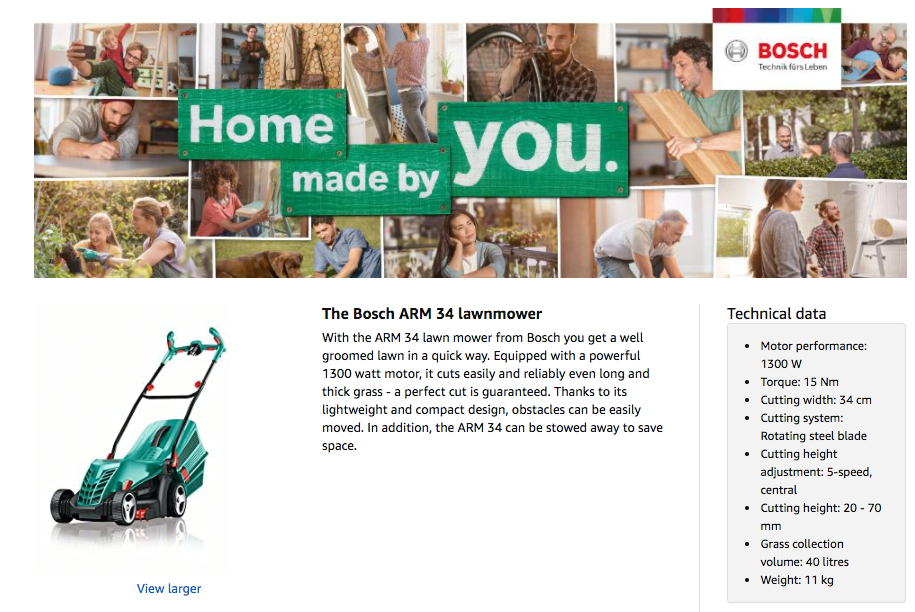
Amazon states that Basic A+ Content can increase sales by up to 8%, while Premium A+ can increase sales by up to 20%. These are benchmark figures, not guarantees, but they show the commercial impact of better product communication.
Why brands use A+ Content
In practice, A+ Content is mainly used for four goals: explain product benefits, differentiate variants, present your brand consistently, and provide structured context for Rufus.
Regardless of whether content is managed in Seller Central or Vendor Central, A+ Content should make information easier to understand and easier to evaluate. For search visibility, titles, bullet points, and structured product data remain the core foundation.
A+ Content types: Basic, Premium, Brand Story
Amazon currently offers three A+ Content formats.
Basic A+ Content
Basic A+ is the standard format for modular image and text sections, including comparison elements. For eligible sellers, Amazon generally provides this format at no extra cost.
Premium A+ Content
Premium A+ is a more advanced and interactive format. Availability is tied to eligibility requirements, not simply to seller vs vendor account type.
Common Premium A+ features include:
- larger, almost full-width visuals
- embedded videos
- interactive hotspots
- clickable carousels (image and/or video)
- Q&A modules
- enhanced comparison tables
- shoppable content and shoppable comparison charts
Brand Story
Brand Story is a separate A+ format focused on brand communication and can complement product-focused A+ modules. You can find more detail in our dedicated article on Amazon Brand Story.
Requirements for Basic and Premium A+
To use A+ Content, you need:
- A Professional Selling account.
- A suitable role for a brand registered in the Amazon Brand Registry (for example, Brand Representative or Reseller).
Once eligibility is met, A+ Content can be assigned to relevant ASINs of your brand.
Additional eligibility for Premium A+
Premium A+ has additional requirements. Amazon currently expects a published Brand Story on all brand-owned listings and at least five approved A+ contents within the last 12 months. If a brand qualifies, a corresponding notice typically appears in the A+ Content Manager.
Premium A+ modules in practice
Premium A+ templates are useful when planning structure, deciding where video adds value, and choosing the right level of detail.
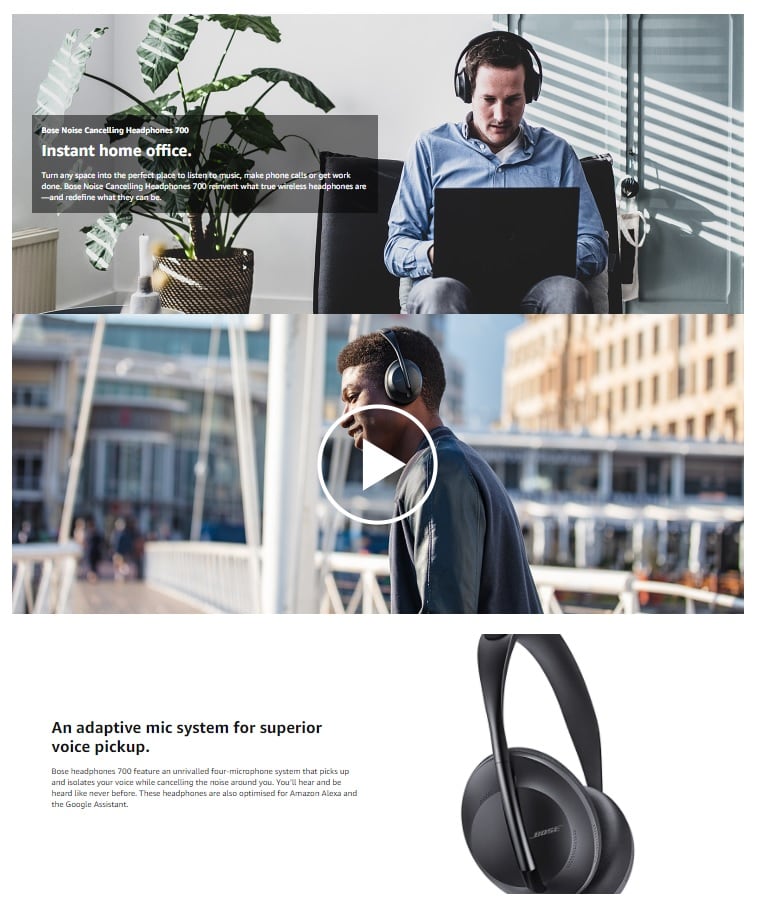
In practice, teams usually get the best results when Premium modules are mapped to specific communication goals. Large visual modules work well for framing and positioning, while video and interactive elements are better for explaining complex product behavior and reducing uncertainty before purchase.
Benefits and use cases of A+ Content
Amazon A+ Content can improve performance in several areas:
- clearer product communication
- stronger conversion and sales
- better variant and use-case differentiation
- more informed purchase decisions
Highlight product USPs
A+ Content should make unique selling points easy to understand. Prioritized modules and benefit-oriented copy make product value obvious quickly.
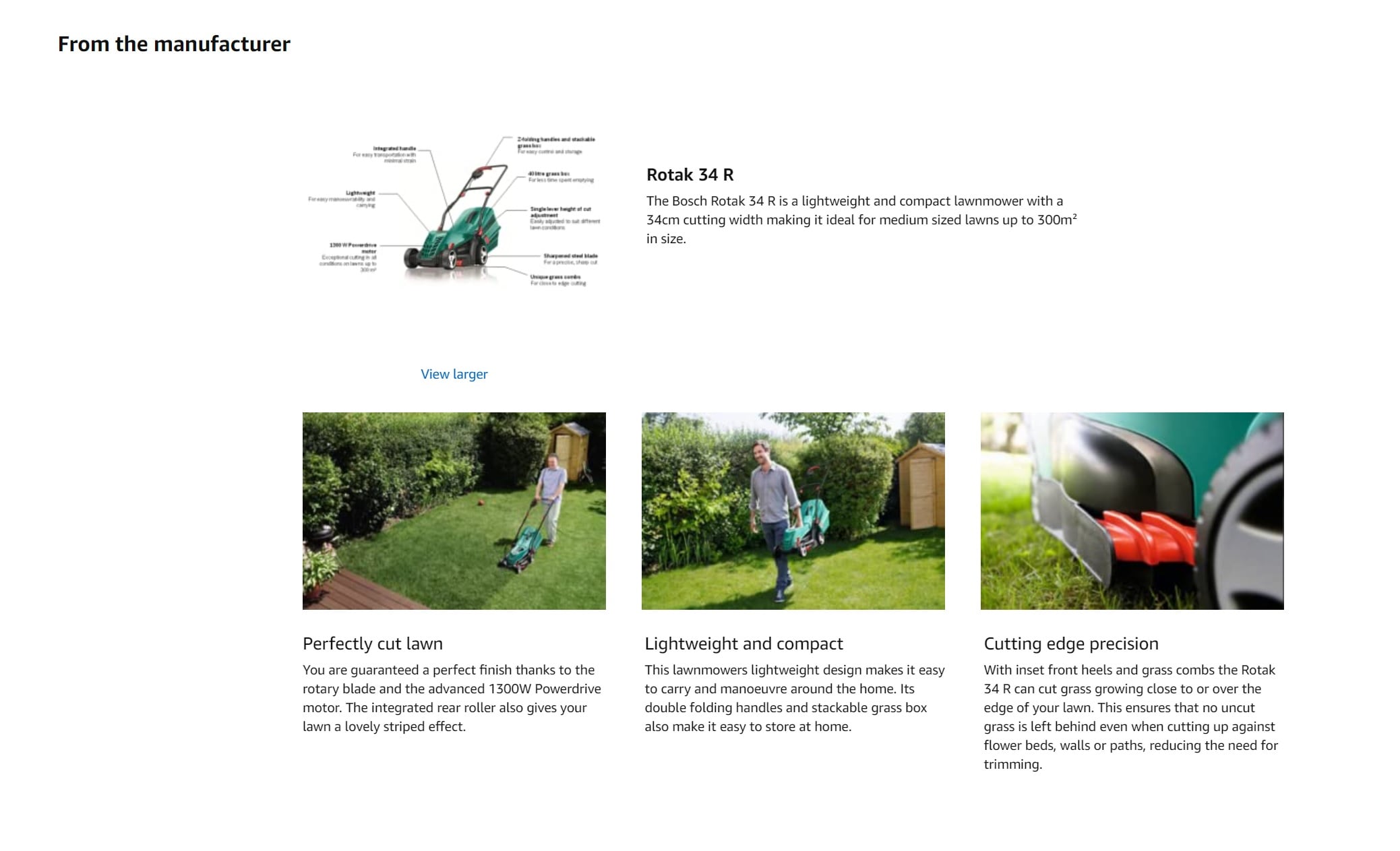
Support informed purchase decisions
A+ Content helps customers evaluate functionality, dimensions, and variants with less ambiguity and fewer false expectations.
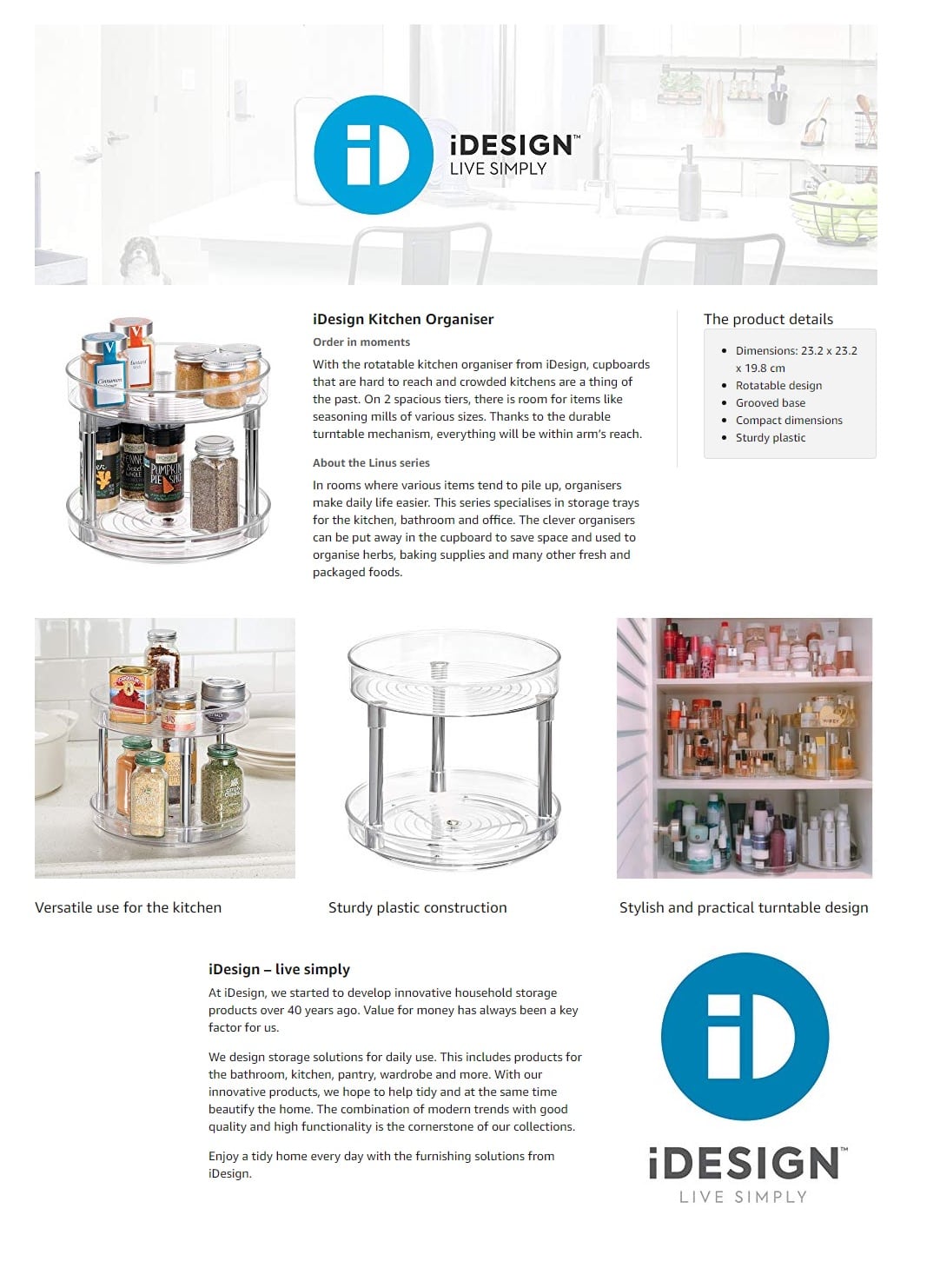
Reduce product complexity
Visuals, comparison blocks, and concise copy reduce complexity - especially for complex products. Video and visual explanation modules can partly compensate for the lack of physical interaction in ecommerce.
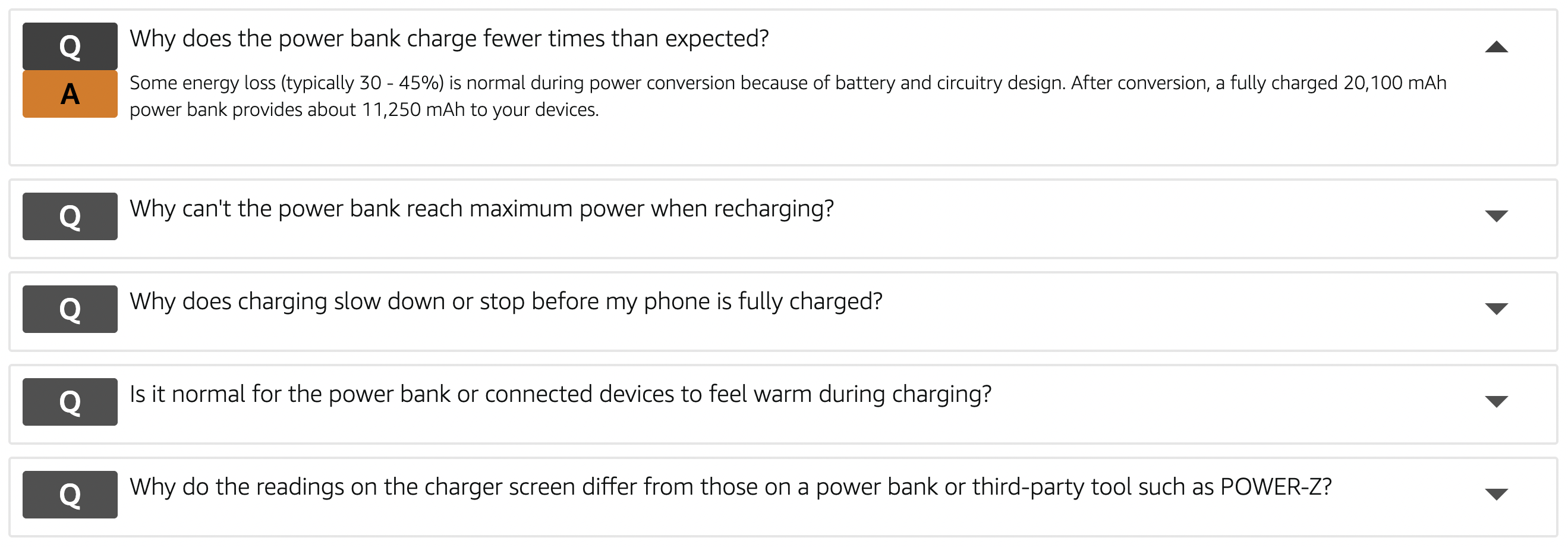
Answer customer questions proactively
Review questions, reviews, and comment patterns and address common objections directly in A+ modules. Premium A+ Q&A formats are especially useful here.
When recurring objections are answered directly in structured Q&A blocks, shoppers can validate fit faster and compare options with less friction.
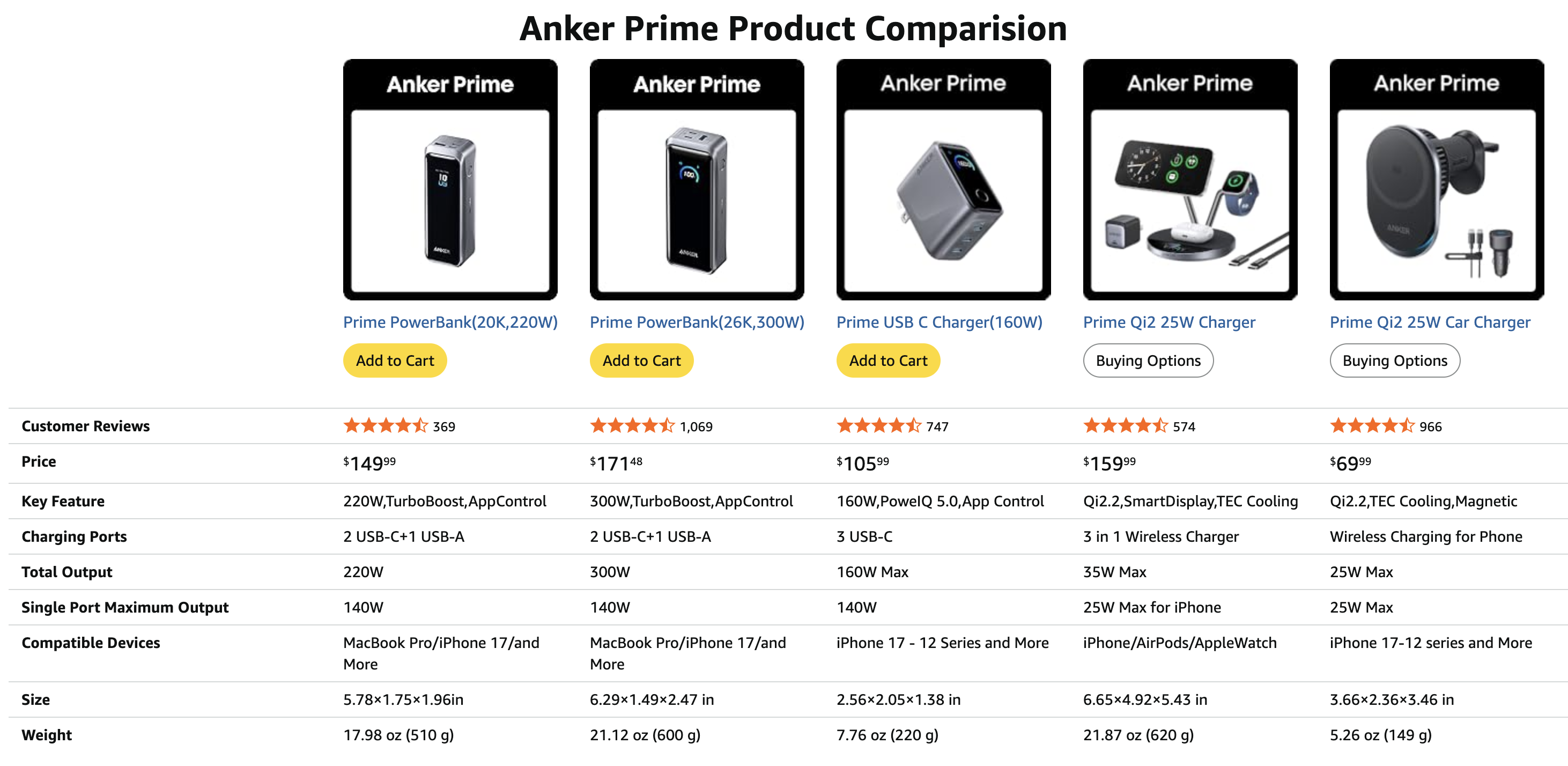
Use comparison tables strategically
Comparison tables should focus on products from the same brand and make differences in use case, configuration, or target group obvious.
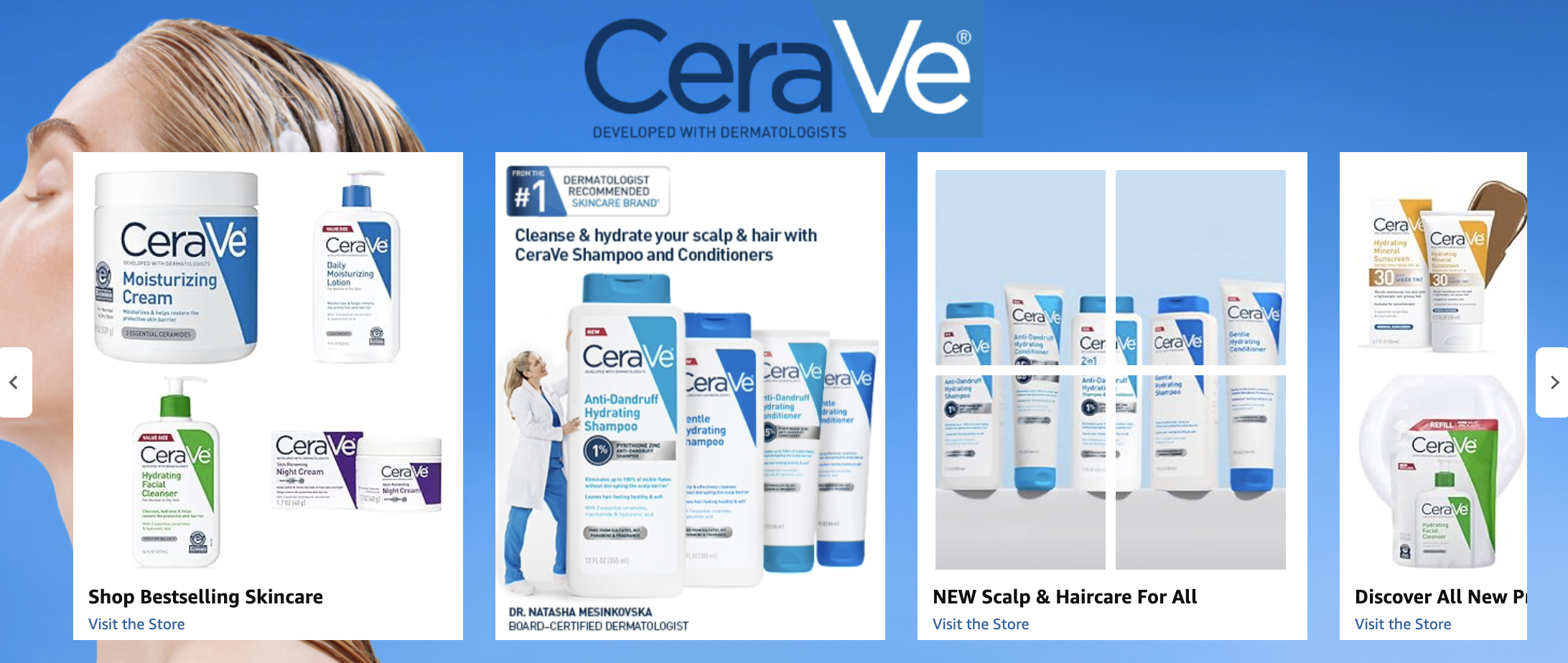
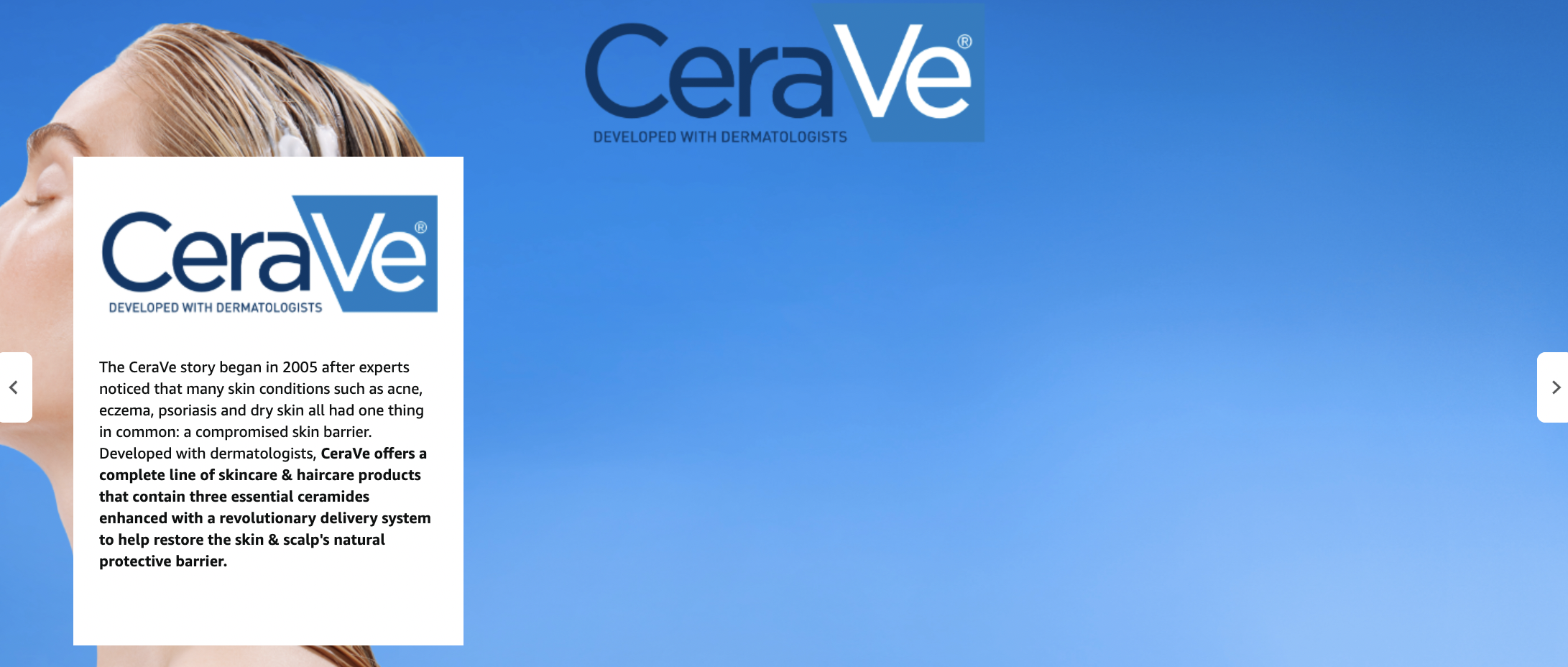
Keep brand storytelling focused
Brand messaging can build trust, but in A+ Content it should remain concise and relevant to product understanding.
A practical rule is to use brand storytelling as supporting context, not as a replacement for product communication. Keep the core focus on use case, value, and differentiation.
SEO, indexing, and alt text
A+ Content plays a central role in clarity and conversion. For core Amazon ranking logic, title, bullet points, and structured product data still matter most.
Alt text in A+ modules is primarily for accessibility. It should describe image content accurately and remain useful for screen readers. Pure keyword stuffing without image relevance can increase rejection risk.
Think mobile-first
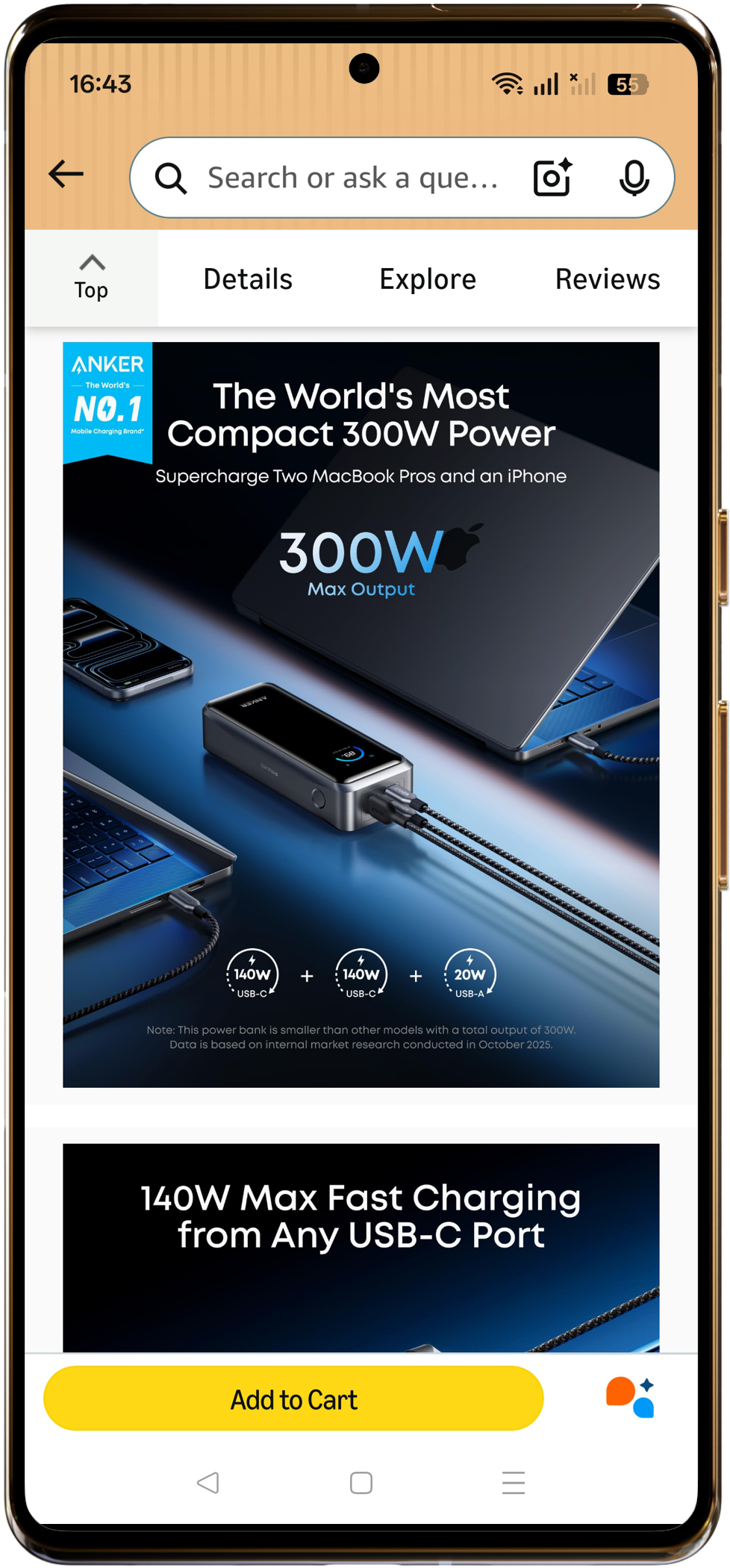
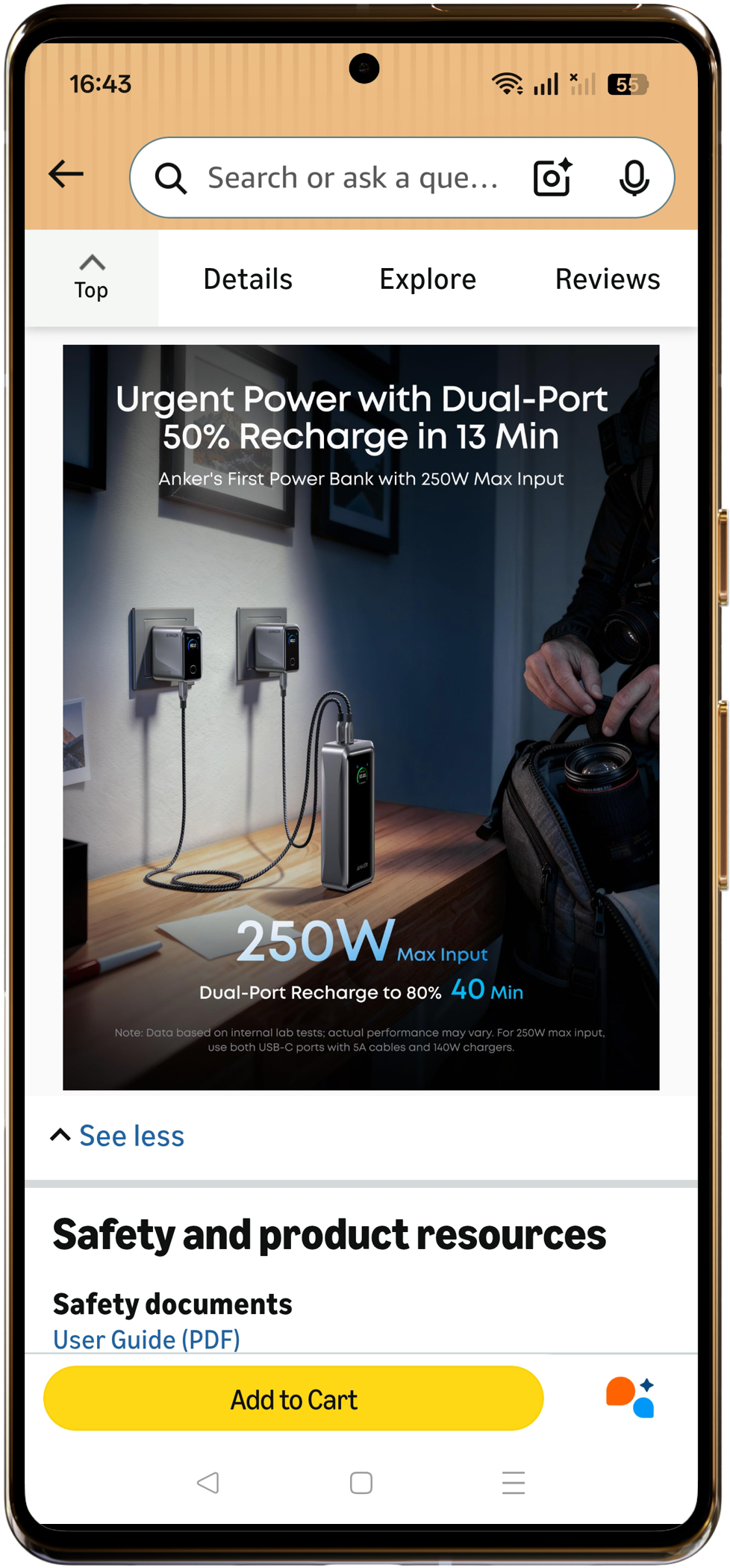
Always plan A+ content for mobile first: clear hierarchy, short sections, and the most important arguments early in the flow.
Validate every final version in both desktop and mobile preview. Also avoid text-heavy image assets whenever possible so key information remains readable on smaller screens.
Rufus and AI readiness
A+ Content should no longer be treated as a pure design layer. It provides structured context about product functions, use scenarios, and brand framing - context that Rufus can use as an additional source alongside classic listing fields.
For deeper context, see our Amazon Rufus Guide 2026.
How to create A+ Content (manually and with AI)
If you decide to add A+ Content to a product detail page, it is not enough to add a few isolated images and sentences. The overall impression and messaging should feel coherent, clear, and tailored to the target audience.
It helps to plan A+ Content like a compact landing page: Which questions does the shopper need to answer quickly? Which objections do you want to remove? Which differences between variants need to be obvious immediately?
Setup in Seller Central and Vendor Central
- Sign in to Seller Central or Vendor Central and confirm your role/brand eligibility.
- Open the A+ Content Manager and review existing projects.
- Create a new Standard A+ content document or continue from an existing one.
- For Premium A+, choose extended modules and structure accordingly.
- Fill modules with copy, images, and optional videos, validate preview, and submit for review.
Note: A+ Content itself does not support arbitrary HTML formatting. Keep copy clean and structured in plain text fields.
Create A+ Content with AI (AMALYTIX)
In AMALYTIX, you can generate A+ content for new products with AI: select product, define modules (new or from an existing document), select language, optionally add a custom prompt, and start generation.
Typical workflow:
- Select product from catalog
- Build modules from scratch or reuse existing A+ structure
- Set language and optional prompt
- Start AI generation
- Review content, add images, and transfer to Amazon
Technical implementation via Selling Partner API (optional)
Amazon provides official A+ endpoints via the Selling Partner API. The core concept is based on Content Documents.
Typical flow:
- Create content document
- Validate content
- Assign ASINs
- Submit for approval
Important status values include:
DRAFTSUBMITTEDAPPROVEDREJECTED
Important for ASIN assignment: posting ASIN relations via API replaces the complete ASIN set of that content document (not a partial ASIN patch).
What Amazon usually rejects
Amazon’s A+ guidelines commonly reject:
- pricing, discount, promo, or shipping claims
- QR codes
- external links and redirects
- company contact details
- unsupported superlatives without valid context
- environmental/health claims without reliable backing
- warranty text in restricted areas
- low-quality, blurry, very small, or animated images
- unreadable text overlays and watermark-heavy visuals
- unsupported file specs
- asset rights violations
- direct competitor references/comparisons
If content is rejected, Amazon usually provides rejection reasons. After correction, resubmission is possible.
If you reference awards, certifications, or third-party recommendations, make sure source, organization, and year are clearly stated. Outdated or unverified claims tend to increase rejection risk.
A+ Content best practices
Strong A+ pages usually start with a clear value proposition before deep technical details. A clear hero entry with use-case context creates orientation from the first screen.

Equally important: translate features into benefits. Feature lists only convert when the real-world customer value is explicit.
Use specific use cases, target groups, and real scenarios. Product-only visuals without context tend to feel generic.
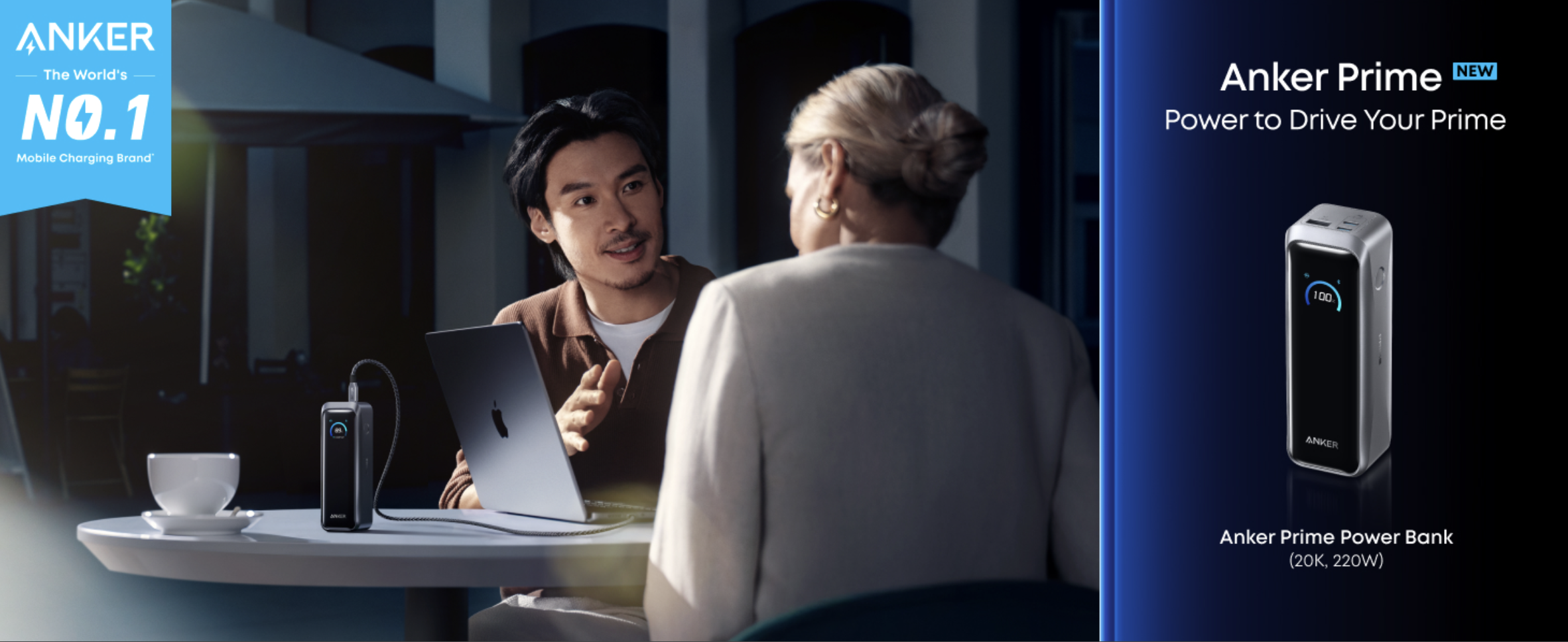
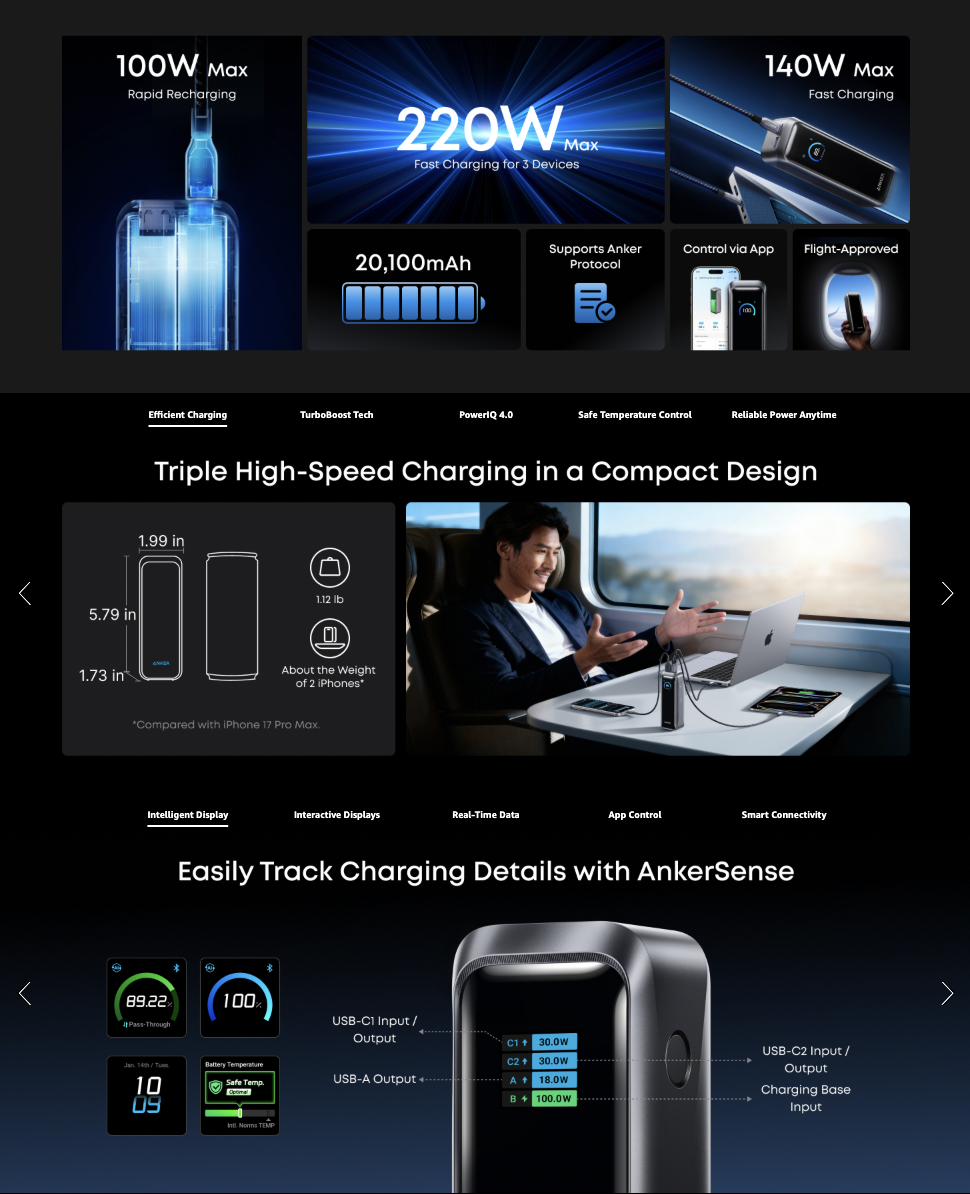
Keep module flow coherent: entry, framing, key benefits, deeper features, use cases, comparison.
Information architecture has a direct effect on performance. A proven sequence is: clear entry, product framing, core benefits, deeper feature proof, real use cases, and a brand-level comparison module. This gives shoppers a coherent buyer journey instead of a disconnected set of blocks.
Consistent branding and visual quality matter just as much as copy. If image style, color logic, and headline hierarchy are consistent across modules, the page feels more trustworthy and easier to scan.
Mobile readability should be part of every best-practice review. Keep text volumes tight, avoid text-heavy graphics, and ensure key arguments are visible early in the mobile flow.
Core principles:
- benefits before specs
- narrative before data sheet
- use cases before isolated product shots
- structure before module chaos
- brand experience before generic content
When these principles are combined, A+ Content becomes easier for shoppers to interpret and easier for teams to scale across multiple listings.
Common A+ Content mistakes
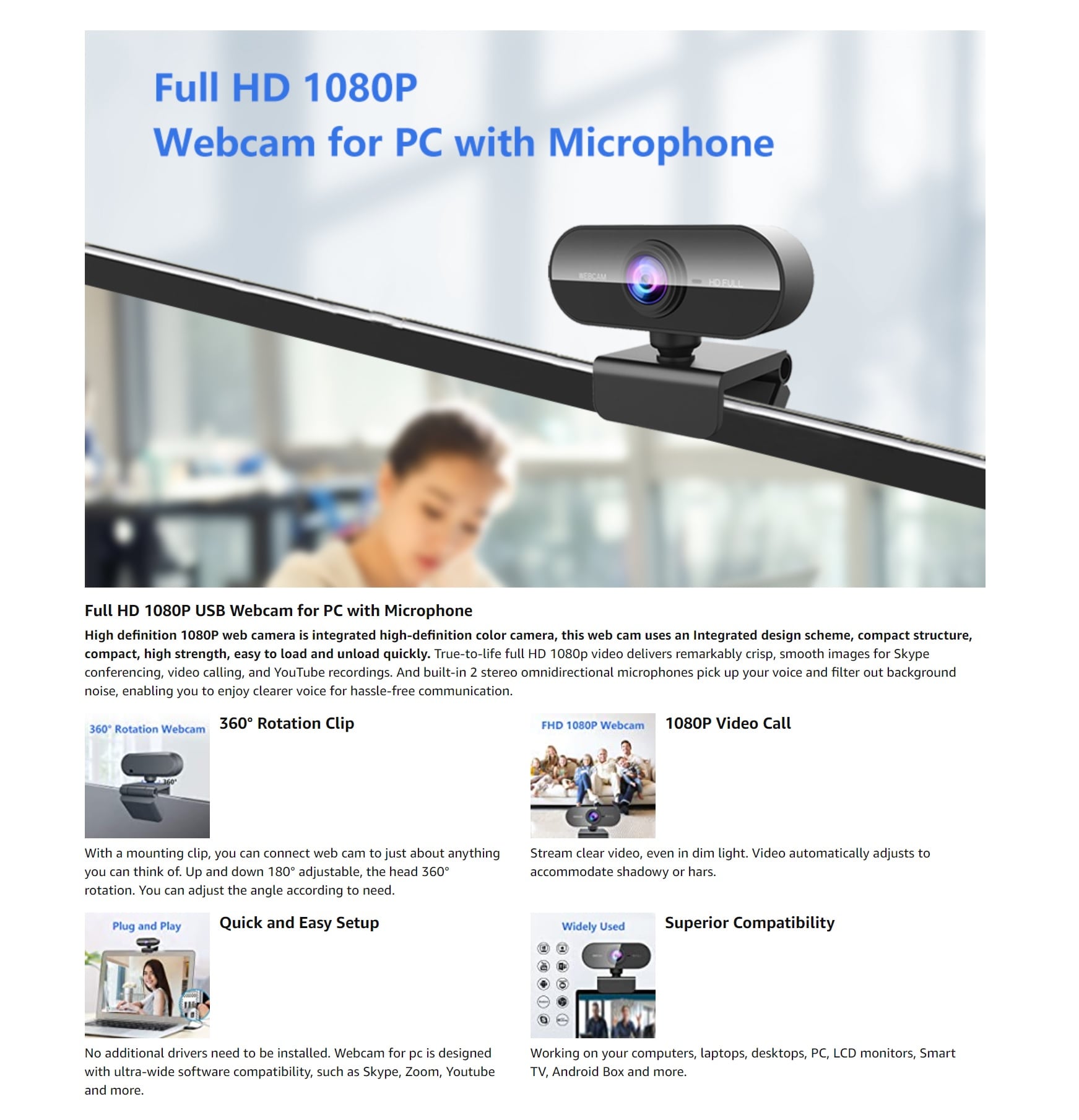
In many A+ content implementations, the same structural problems appear again and again. The most critical one is a weak opening: instead of establishing customer value early, the page jumps straight into technical details. That usually breaks the conversion flow before the product context is fully clear.
Another common issue is feature-heavy communication without enough benefit translation. Details like dimensions, materials, or technical specifications matter, but they do not answer the core buying questions on their own: Who is this for, what problem does it solve in everyday use, and why choose this product over similar alternatives?
Weak A+ pages also tend to miss concrete use-case framing. Product visuals without audience, scenario, or application context often feel generic. On top of that, visual execution can become a bottleneck when module order is unclear, copy blocks are too dense, or images are hard to read on mobile.
In practice, many weak A+ pages can be reduced to three root causes:
- features over benefits
- no consistent storytelling flow
- no emotional or value-led opening
Without concrete use cases, audience relevance, and problem-solution information, the product detail page provides less usable context for shoppers.
A practical fix is a short clarity pass before submission: each module should have one clear purpose, one clear takeaway, and one clear visual focus.
Measure success with Manage Your Experiments
A+ Content can be added to all qualified listings, but strategic prioritization matters. Start with:
- products with high explanation needs
- top sellers with stable traffic
- products with strong advisory complexity
- listings with clear variant differences
How to evaluate if A+ is working
Monitor conversion rate, sales, and units sold over time. For reliable decisions, run structured tests with Manage Your Experiments.
Baseline tracking is still useful, but it rarely explains causality on its own. Controlled experiments provide a much stronger decision basis when you need to validate which content direction actually performs better.
What can be tested in Manage Your Experiments
You can test:
- title
- images
- bullet points
- product description
- A+ Content
- Brand Story (if published)
This gives teams a practical way to build an internal playbook over time, for example which visual styles, module combinations, and messaging angles work best for specific product types.
How experiments work
Listing visitors are split into test groups, each seeing a different content variant. Amazon tracks metrics such as:
- sales
- units sold
- conversion rate
- units sold per unique visitor
- sample size
- projected one-year impact
To keep results interpretable, test one meaningful change set at a time instead of changing everything in parallel. This makes it easier to understand what caused the performance shift.
Typical requirements:
- ASIN belongs to your own brand
- listing has sufficient traffic
- A+/Brand Story must already be published for related tests
If duration is selected manually, Amazon often recommends 8-10 weeks. With “to significance”, insights can sometimes appear after around 4 weeks.
Avoid ending tests too early, even when one variant looks better in the first weeks. Early trends often reverse as sample size grows.
FAQ about Amazon A+ Content
What is the difference between Basic and Premium A+?
Basic A+ is the standard module set (image + text + comparison basics). Premium A+ adds more interactive formats such as larger visuals, videos, hotspots, carousels, Q&A modules, and enhanced comparison modules.
What are the requirements for A+ Content?
You need a Professional Selling account and a suitable role for a brand registered in Amazon Brand Registry (for example, Brand Representative or Reseller).
When does a brand qualify for Premium A+?
Premium A+ has additional eligibility requirements. Typically, a Brand Story must be published across all brand-owned listings and at least five A+ contents must have been approved in the last 12 months.
What can I test with Manage Your Experiments?
Among other elements, title, images, bullet points, product description, A+ Content, and Brand Story can be tested.
What is the fastest way to create Amazon A+ Content at scale?
For teams managing many ASINs, AMALYTIX offers an efficient way to create Amazon A+ Content. You can generate first drafts with AI, reuse proven A+ structures, and refine content in a repeatable workflow. Instead of building every module from scratch, you adapt and finalize content faster, then transfer it to Amazon.
What is allowed in comparison tables?
Comparison tables should focus on products from the same brand and must not be used for direct competitor comparisons.
Why does A+ Content matter for Rufus?
A+ Content adds structured product context and can support Rufus in recommendation and answer generation alongside core listing fields.
Subscribe to Newsletter
Get the latest Amazon tips and updates delivered to your inbox.
By subscribing you agree to our Privacy Policy .


